 Debrecen4U
July 16, 2026
Debrecen4U
July 16, 2026
Press Release on Debrecen’s Progress in Project LIFE-IP HUNGAIRY to Improve Air Quality
The Municipality of Debrecen is a key partner in the LIFE-IP HUNGAIRY integrated LIFE project, which aims to improve air quality across Hungary in eight priority air quality regions through the implementation of air quality plans in ten major cities, including Debrecen. The project runs for eight years, from 2019 to 2026. Supported by the European Union’s LIFE Programme, the initiative promotes the coordinated implementation of national air quality protection measures, with particular emphasis on reducing concentrations of particulate matter (PM10).
Within the LIFE-IP HUNGAIRY project, Debrecen is responsible for implementing and supporting the measures set out in the city’s air quality plan in cooperation with the environmental authority.
Alongside technical developments, the municipality has implemented a range of practical measures and awareness-raising initiatives under the project that directly contribute to improving air quality. As part of a pilot project, a protective afforestation programme was launched with the aim of expanding green infrastructure, reducing dust pollution and improving the local urban climate. The project has also placed strong emphasis on raising public awareness through information events, lectures, campaigns and educational programmes promoting environmentally conscious transport, cleaner heating methods and the importance of air quality protection. To encourage sustainable household practices, a compost bin distribution programme has also been introduced, helping residents recycle green waste locally, reducing the need to burn garden waste and thereby lowering air pollutant emissions. Together, these measures contribute to achieving the objectives of the air quality plan while improving residents’ quality of life.
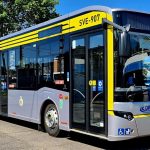
In recent years, the city has also implemented numerous measures and investments aimed at reducing air pollution. These include improvements to public transport, such as the construction of Tram Line 2 and the modernisation of the trolleybus network.
Efforts to reduce airborne particulate matter are also supported by year-round roadside verge maintenance. As part of park maintenance and street sweeping operations, more than 78 tonnes of dust have been collected and transported to landfill so far this year, preventing it from becoming airborne.
In addition to the initiatives We Are Planting 10,000 Trees in Debrecen, Another 10,000 Trees for Debrecen,” and Adopt a Tree, trees planted under the protective afforestation programme also make a significant contribution to improving air quality in Debrecen. A total of 10,000 trees are capable of absorbing up to 80 tonnes of carbon dioxide and trapping around 45 tonnes of dust each year. The green corridor initiative supports the greening of a 20-kilometre stretch along the Tócó Stream and is expected to capture approximately 1,200 tonnes of dust annually. The reconstruction of tree-lined avenues is also underway, affecting between 400 and 500 mature trees, while several thousand trees receive individual treatment, pruning and maintenance every year.
The Green Islands initiative continues the green space developments implemented under the Territorial and Settlement Development Operational Programme (TOP). Projects include the second phase of the environmental regeneration of the Tócóvölgy district and the recreational developments delivered under the Civaqua programme.
The 2022 and 2024 reviews of the air quality plan were published in a coordinated format based on the integrated assessment of available monitoring data, professional evaluations and the measures already implemented, ensuring a transparent overview of progress in delivering the air quality plan.
Work is currently underway on the 2026 review of the air quality plan. Where necessary, external experts will be involved in evaluating the effectiveness of previous measures and updating the plan based on the latest air quality data and professional assessments. The project will conclude on 31 December 2026, by which time the 2026 review will also have been completed. This review will include an analysis of air pollution data from industrial facilities that have established operations in the city’s industrial parks in recent years.
Source and photo credit: debrecen.hu