 Debrecen4U
November 19, 2026
Táncsics Mihály Street Kindergarten Joins Recipients of Sustainable Debrecen Award
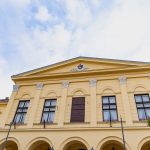
Táncsics Mihály Street Kindergarten has joined the recipients of the Sustainable Debrecen Award, presented to Headteacher Judit Baloghné Pál and her colleagues received the award by city councillor István Bognár on 18 November 2026.
Since 2019, Debrecen Municipality has presented the Sustainable Debrecen Award to businesses, institutions and working communities whose activities set an example to be followed in the process of creating a sustainable city. Táncsics Mihály Street Kindergarten is the fifth of this year’s nine award recipients to receive the distinction.
Environmental education is one of the key areas of the kindergarten’s educational work. Staff help the children develop environmentally responsible behaviour and a caring attitude towards animals, encouraging them to recognise and protect the values of the world around them.
A community garden, named “Pöttöm Kert” (Tiny Garden), has been created in the grounds of the kindergarten, where vegetables, medicinal herbs and culinary herbs are grown, including carrots, peppers, tomatoes, chives, kohlrabi, aubergines, sweetcorn, mint, thyme and sage. With the help of parents, the individual groups have also created their own raised beds. The children naturally take part in planting and looking after both the garden and the raised beds. This gives them the opportunity to observe where plants come from and how they grow, while learning about the cycles of nature, the conditions plants need to thrive and the importance of environmental protection. Just as importantly, it helps them develop a love of gardening.
Last year, the kindergarten received a special award in the nationwide “Hungary’s Most Beautiful Kitchen Gardens” programme, and this year it achieved second place. The vegetable garden is enriched with home-produced compost and watered using collected rainwater, allowing the children to see how nature’s cycle comes full circle through play. Great care is also taken to replace trees and shrubs on an ongoing basis. In 2025, the kindergarten applied to the “Let’s Plant 10,000 Trees in Debrecen” programme and was awarded 30 young trees, which were planted in the playground. In autumn 2026, the grounds were further enhanced with cherry plum trees, fig trees, thuja, weigela shrubs and pampas grass.
The kindergarten’s spacious grounds have been transformed into a miniature nature trail. Directional signs guide visitors from the insect hotel to the hedgehog shelter and bird feeders, and all the way to a bat box installed with the help of the Debrecen Natural History Collection. The bat box also contributes to biological mosquito control. The kindergarten holds both the Permanent Green Kindergarten and Animal-Friendly Kindergarten titles. Staff even provide drinking water for birds on the street frontage outside the building, setting an example for the entire neighbourhood. Every group has bird feeders and bird baths in its section of the playground. During the summer, the bird baths are regularly topped up with water, while in autumn and winter particular attention is paid to feeding the birds with bird suet cakes, various seeds, apples and bacon.
There is also a rainwater collection barrel in the grounds. The collected water is used to irrigate the vegetable garden, flower beds and trees. Organic waste from gardening – including grass clippings, fallen leaves, finely chopped branches and plant matter – is placed in the compost bin next to the “Pöttöm Kert”, along with green waste left over from eating fruit and vegetables. After six to twelve months, the crumbly compost is worked into the soil or spread around the plants, naturally improving soil quality and supporting the organisms living in it.
A green ethos runs through every part of the institution. Solar panels help supply energy to the building, recycling is standard practice in the group rooms, and staff travel to work by bicycle or public transport, setting a positive example for the children. Inside the building, the children help sort used but recyclable paper waste – such as drawing paper and paper left over from arts and crafts activities – as well as contaminated paper and plastic waste into separate bins in the group rooms. Waste is also sorted in the collection bins in the playground. Overall, through their attitude and everyday work, the kindergarten’s adult community provides the children with a positive example of environmentally responsible behaviour.
Source and photo credit: debrecen.hu