
 Debrecen4U
June 1, 2026
Debrecen4U
June 1, 2026
Interview with Jonathan O’Flaherty on the expansion of his e-bike business in Debrecen
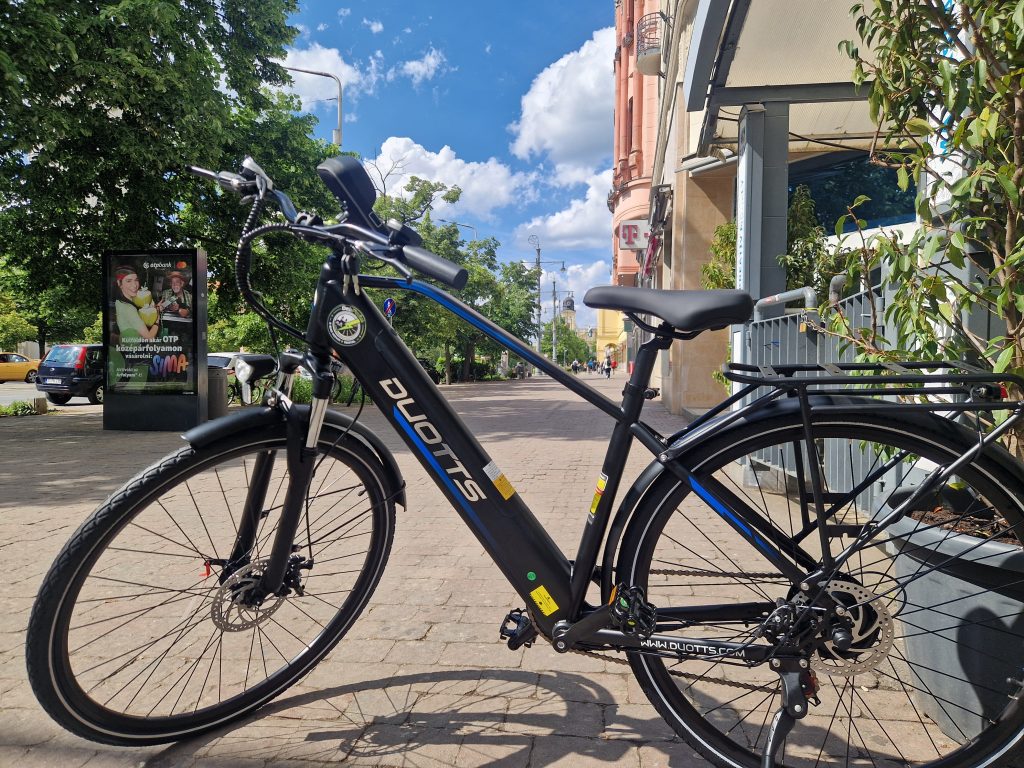
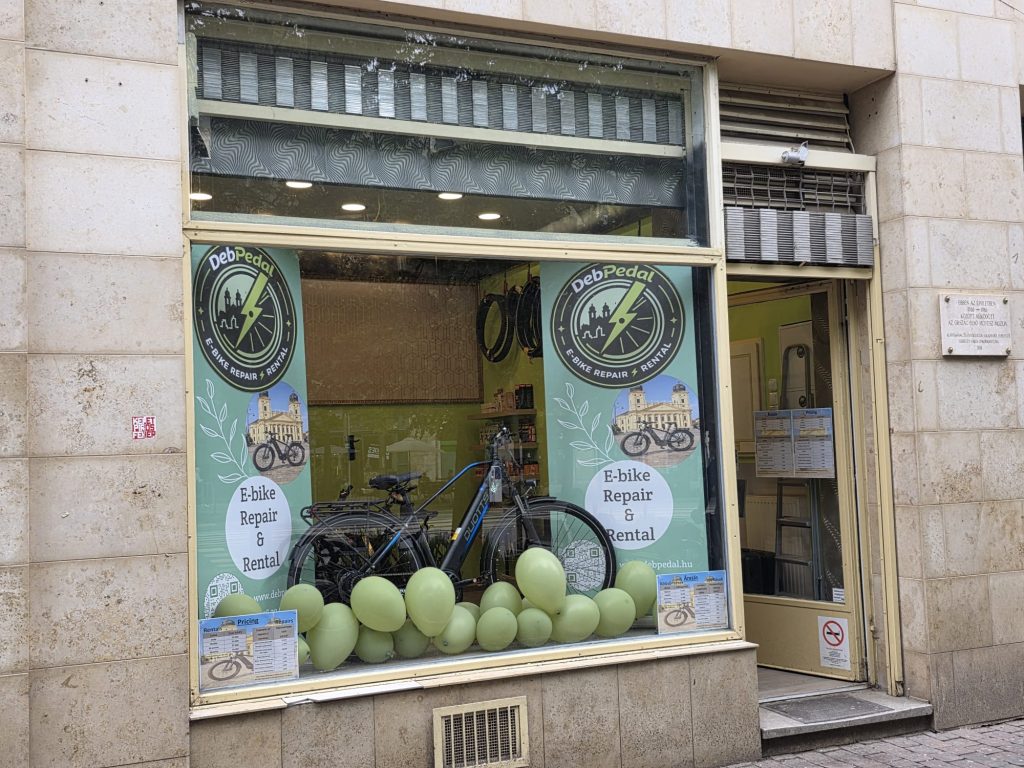
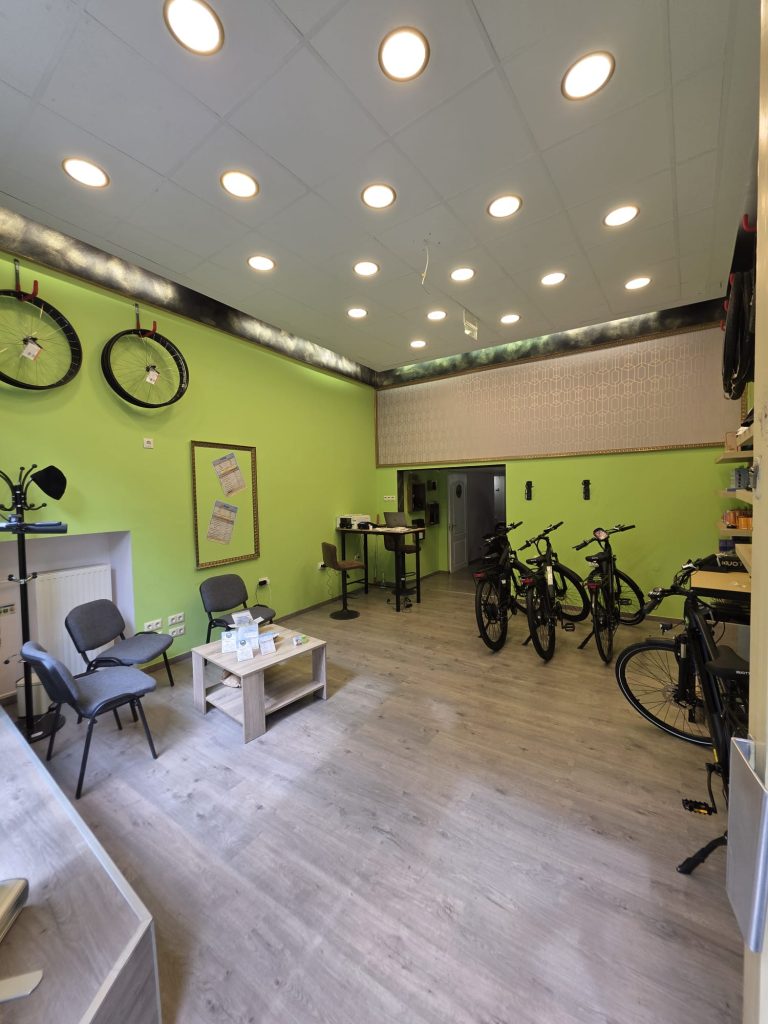
Following the success of its two stores in Budapest (ProPedal and PowerPedal), DebPedal E-Bikes Kft. is now opening a new store in Debrecen, at 28 Piac Street. We asked the founder, Jonathan O’Flaherty, why he chose Debrecen for the expansion of his e-bike business.
Debrecen4U: What made you decide that Debrecen should be the next city for expanding your e-bike business after Budapest?
Jonathan O’Flaherty: When we launched our Budapest shops, expanding to Debrecen was always part of our long-term vision. The city is beautiful, cycle-friendly, and boasts a large student population alongside a rapidly growing professional sector. We initially explored commercial spaces here last October, but we wanted to fully consolidate our systems in the capital before entering a new market. With a highly experienced engineering team and a premium e-bike fleet now in place, the decision to launch was finalised when we saw a growing number of customers hauling their heavy e-bikes on the train to Budapest just to access reliable servicing.
Debrecen4U: You mentioned many Debrecen residents were traveling to Budapest for service. When did you first notice this trend, and how did it influence your decision?
Jonathan O’Flaherty: We first noticed this trend last summer. Transporting a heavy e-bike on a train from Debrecen is quite an undertaking, but customers explained that local repair shops simply weren’t equipped for the task. Properly servicing an e-bike requires advanced knowledge of electrical engineering, particularly regarding motors and lithium batteries. To support riders, we implemented a straightforward policy: if an e-bike comes in with a basic mechanical issue, we charge standard bicycle repair rates. However, the customer still benefits from having the bike inspected by a professional electrical engineer, giving them complete peace of mind that their vehicle is safe.
Debrecen4U: What potential do you see in Debrecen’s mobility culture, cycling habits, or urban development that convinced you this was the right moment to open a shop here?
Jonathan O’Flaherty: We see tremendous potential here. Debrecen reminds me of world-class cycling hubs like Cambridge, Amsterdam, and Copenhagen. I grew up in Lancaster in the north of England, which was designated as an official cycle city, and I saw firsthand how cycle highways quickly became the most efficient way to navigate the urban environment. E-bikes are transformative because they democratize cycling; it shouldn’t be restricted to athletes in lycra who need a shower upon arriving at the office. The transition to E-Bikes along with Debrecen’s infrastructure, the joy of riding, the fresh air, and the community aspect can be safely accessed by everyone, regardless of age, fitness level, or attire.
Debrecen4U: Do you have any personal connection to Debrecen, or was this a purely strategic business decision?
Jonathan O’Flaherty: Yes, I actually have very close friends here who are connected to the International School of Debrecen, so I have been visiting regularly for the past seven years. Staying in the suburbs with them, I was immediately impressed by the extensive cycle highways that let you cross the city in minutes. But the real turning point was when they introduced me to the Great Forest. It is an incredible, highly unique asset for a European city; the older trees and clearings have an almost magical feel, reminiscent of a fantasy game or an RPG. A major goal for us is to help tourists explore this beautiful area in an eco-friendly, silent way that respects the natural environment.
Debrecen4U: Why did you choose Piac Utca 28 specifically? What made this location feel right for your first shop outside Budapest?
Jonathan O’Flaherty: To genuinely impact Debrecen’s transport landscape, we needed a highly visible, central location. The city centre is idyllically planned; the wide pavements, dedicated cycle paths, abundant trees, and green spaces make it a fantastic environment. Piac Utca is perfectly situated on the main route from the train station to the central square. This ensures that visitors can step off the train, walk straight to our shop, and be on a bike within minutes.
Debrecen4U: What were your first impressions of the city when you started exploring it as a possible location?
Jonathan O’Flaherty: Debrecen is a wonderful place. I have fond memories of doing ‘market research’ by simply sitting outside a café on the main square in the sunshine. We were absolutely astonished by the sheer volume of cyclists and how seamlessly cycle-friendly the city was. I was deeply impressed by the strong sense of local pride and how welcoming everyone was.
Debrecen4U: What do you personally enjoy most about Debrecen — the atmosphere, the people, the pace of life, the business environment?
Jonathan O’Flaherty: Personally, I love the relaxed pace of life. The moment I step off the train from Budapest, I physically feel my shoulders drop; my heart rate slows, and I feel immediately less tense. The people here are more friendly (no offense to Budapest!). My Hungarian isn’t perfect, but locals are more patient, warm, and quick to share a laugh, making conversations a lot easier. I appreciate the beautifully designed open spaces, the wider streets, the lower skyline, and the vibrant café culture where you can just sit outside and watch the world go by.
Debrecen4U: Is there anything you feel could be improved in the city to make cycling or e-bike commuting even more attractive?
Jonathan O’Flaherty: The existing cycling infrastructure in Debrecen is already world-class. Our contribution is simply to help make that infrastructure more accessible to everyone, regardless of their income, age, or physical fitness. Furthermore, we want to elevate overall street safety for both cyclists and pedestrians by ensuring the e-bikes on the road are professionally maintained and immediately repaired when necessary.
Debrecen4U: How would you describe Debrecen’s cycling culture compared to Budapest? What stands out to you?
Jonathan O’Flaherty: There is a stark difference between the two. In Debrecen, the cycling infrastructure feels organically integrated into the city’s development from the very beginning. In Budapest, it often feels like it has been retrofitted or superimposed onto existing, congested roads. Debrecen’s dedicated cycle highways allow people to commute from the suburbs directly and safely without battling car traffic, which ultimately benefits both drivers and cyclists alike.
Debrecen4U: What long-term role do you envision DebPedal playing in Debrecen’s mobility ecosystem?
Jonathan O’Flaherty: We are invested long term in Debrecen. Once someone transitions to an e-bike, they rarely go back, so we expect this market to grow naturally. Environmentally, the impact is massive: switching to an e-bike reduces a commuter’s annual carbon emissions by roughly 4.4 metric tonnes, not even factoring in the immense manufacturing footprint of a car. I am particularly passionate about protecting air quality. In smaller Hungarian cities with lower altitudes and less wind, car pollution has a highly concentrated negative effect. The children of Debrecen deserve to breathe clean air and look up at a clear, deep blue sky without the white haze of bigger cities.
Additionally, we want to help transition the local food delivery sector. Currently, many couriers rely on noisy, polluting mopeds or unregulated, high-speed e-scooters, both of which frequently and dangerously end up on pedestrian footpaths. We want to avoid a situation where the streets become overrun with mopeds, similar to what you see in cities like Hanoi. Long-term, our goal is to provide these couriers with high-quality e-bikes. Combined with our strict safety guidelines, this will allow deliveries to be made quietly, cleanly, and safely using the city’s designated cycle paths, completely respecting pedestrian spaces.